
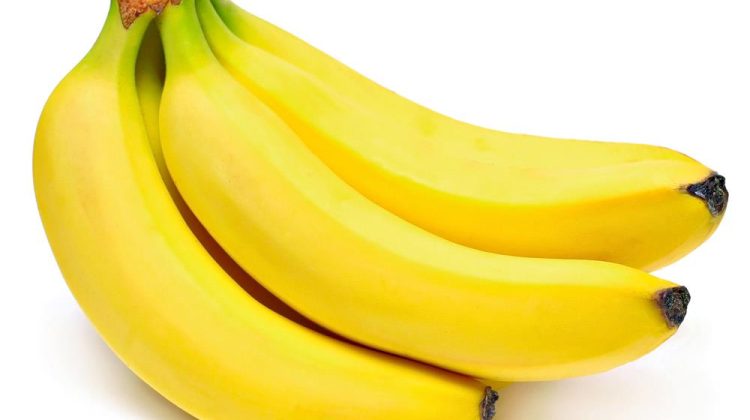
For anyone managing their blood sugar, whether due to diabetes, prediabetes, or simply optimizing health, the question of fruit can be confusing. Bananas, in particular, often land in a “good or bad?” debate.
The truth is, the impact of a banana on your glucose levels isn’t a simple yes or no. It’s a fascinating interplay of ripeness, biochemistry, and how you eat it. This guide will break down exactly what happens in your body when you eat a banana and how to enjoy them without the dreaded spike.
How Bananas Affect Blood Sugar
When you eat a banana, your digestive system breaks down its carbohydrates into glucose, which enters your bloodstream. However, the speed and intensity of this rise are not fixed. A banana can cause a rapid spike or a slow, steady release of energy, depending on key factors we’ll explore. For most people, bananas—when chosen and consumed wisely—can be part of a blood-sugar-friendly diet.
Glycemic Index (GI) and Glycemic Load (GL)
- Glycemic Index (GI): This measures how quickly a food raises blood sugar levels on a scale of 0 to 100. Pure glucose scores 100.
- Underripe banana (green/yellow): GI of about 42 (low GI).
- Overripe banana (brown spots): GI can rise to around 60 (medium GI).
- Conclusion: A less-ripe banana has a lower GI, leading to a slower, more controlled blood sugar rise.
- Glycemic Load (GL): This is the more practical measure, as it considers both the GI and the carbohydrate content in a typical serving. A medium banana (approx. 118g) has about 27g of carbs.
- Underripe banana: GL is low (~11).
- Overripe banana: GL is medium (~13).
- Takeaway: Even a ripe banana has a moderate GL, meaning its total impact per serving is manageable when considered in the context of a whole meal.
Ripeness and Sugar Content | The Color Code
This is the most critical factor for blood sugar. As a banana ripens, its starch transforms into simple sugars (sucrose, fructose, and glucose).
- Green (Underripe): High in resistant starch (a type of fiber that resists digestion), lower in sugar. Results in a very slow, minimal glucose release.
- Yellow with Green Tips (Slightly Underripe): Optimal balance of resistant starch and sweetness. Best choice for steady energy.
- All Yellow (Ripe): Starch has mostly converted to sugar. It will raise blood sugar more quickly.
- Yellow with Brown Spots (Very Ripe): Highest sugar content, lowest resistant starch. Easiest to digest but causes the fastest glucose spike.
Rule of thumb: Eating a less-ripe banana can help blunt the blood sugar response due to its higher resistant starch and lower sugar content.
Fiber and Digestion
A medium banana provides about 3 grams of fiber, including both soluble and insoluble types. The fiber in a banana, particularly pectin, is crucial. It:
- Slows down the digestion and absorption of carbohydrates.
- Promotes a feeling of fullness.
- Feeds beneficial gut bacteria, which are linked to improved metabolic health.
This is why a whole banana affects blood sugar far better than a banana smoothie, where the fiber is broken down, or worse, banana juice, which has no fiber.
Why Bananas Can Still Be Part of a Healthy Diet (Beyond Blood Sugar)
Focusing solely on sugar does bananas a disservice. They are a nutritional powerhouse:
- Potassium: Essential for heart health and blood pressure regulation.
- Vitamin B6: Supports brain health and metabolism.
- Vitamin C: An important antioxidant.
- Manganese: Aids in bone health and metabolism.
- Prebiotics: The resistant starch and fiber act as food for your healthy gut microbiome.
For a deeper illustration of how different fruits impact your metabolic health, explore our guide on [low-glycemic fruits for sustainable energy].
Smart Ways to Enjoy Bananas Without Spiking Blood Sugar
You don’t have to avoid bananas. Just be strategic:
- Choose Slightly Green Bananas: Opt for firm, yellow bananas with green tips.
- Pair with Protein or Healthy Fat: This is the golden rule. Pair your banana with proteins or healthy fats like Greek-style yogurt or nut butter. The fat and protein further slow digestion, creating a flat blood sugar curve.
- Examples: Banana slices with almond butter, a banana blended into a protein smoothie with chia seeds, or a banana alongside a handful of nuts.
- Watch Your Portion: Consider having half a banana paired with other foods instead of a whole one alone.
- Avoid Isolated Consumption: Don’t eat a ripe banana on an empty stomach. Make it part of a balanced meal or snack.
- Cook with (Underripe) Bananas: Use green bananas in cooked dishes where you would use plantains, or add them to oatmeal.
Frequently Asked Questions
Can people with diabetes eat bananas?
Yes, in moderation and with careful planning. Choosing less-ripe bananas, controlling portion size (e.g., half a banana), and always pairing it with a source of protein or fat are key strategies. It’s essential to monitor individual blood sugar responses.
Is banana bread or a banana smoothie a good option?
Typically, no. These forms often add sugar, remove fiber (in smoothies), and use very ripe bananas. They combine refined carbs with sugar, leading to a significant spike. If making at home, use underripe bananas, no added sugar, and add protein powder or Greek yogurt.
Are plantains better for blood sugar than bananas?
Green plantains are very high in resistant starch and lower in sugar than even green bananas, making them an excellent low-GI choice. However, as they ripen, they also become very sweet.
How does the glycemic index of bananas compare to other common snacks?
A less-ripe banana (GI 42) is a far better choice than a bagel (GI 70+), white rice (GI 73), or many sugary breakfast cereals (GI 75+). It’s comparable to eating a bowl of rolled oats.