
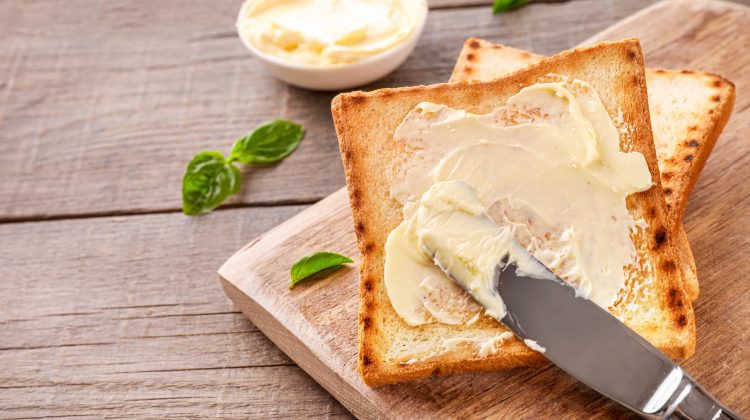
Butter has long been debated for its health effects, but experts say moderation and context are key. By Lauren Manaker M.S., RDN, LD, CLEC
Butter makes almost everything taste better. A pat melting over a warm piece of toast, a spoonful swirled into a sauce or a dab on a stack of pancakes: it adds a rich, satisfying flavor that is hard to replicate. But for years, butter has been at the center of a debate about its impact on our health, particularly our hearts. Is it a dietary villain to be avoided at all costs, or can it be part of a healthy lifestyle?
Experts say the truth about butter is more nuanced than a simple “good” or “bad” label. The story involves saturated fat, cholesterol and the context of your entire diet. Let’s break down what really happens to your heart health when you eat butter.
First, it helps to know what’s actually in that golden stick. Butter is a dairy product made by churning cream until the fat separates from the liquid (buttermilk). It’s primarily composed of fat (about 80%) with the rest being water and milk solids. This fat content is what gives butter its creamy texture and rich flavor. It also contains some fat-soluble vitamins, including vitamin A, vitamin E and vitamin K2. However, the main point of discussion is its high concentration of saturated fat.
How Butter Affects Heart Health
The way butter interacts with your body is complex. It influences several key markers of heart health, from cholesterol levels to insulin resistance.
Saturated Fat and LDL Cholesterol
Butter’s high saturated fat content prompts the liver to increase LDL cholesterol. Elevated levels can lead to plaque buildup and atherosclerosis, narrowing arteries and significantly raising the risk of heart attacks and strokes.
New research suggests dairy’s unique “food matrix” may mitigate risks. Some studies indicate dairy-based saturated fats could be neutral or even beneficial for heart health, challenging traditional views that all saturated fats are harmful.
Impact on HDL Cholesterol
While the focus is often on LDL, butter may also influence HDL cholesterol, the “good” kind. HDL helps remove cholesterol from your arteries, transporting it back to the liver where it can be processed and removed from the body. Some research suggests that certain fats in butter, while raising LDL, might also give a slight boost to HDL levels. This dual effect adds a layer of complexity to understanding butter’s overall impact.6
Triglycerides and Insulin Resistance
Emerging research is exploring how different foods affect other heart-health markers like triglycerides (a type of fat in your blood) and insulin resistance. High triglycerides are a known risk factor for heart disease.
Recent research suggests that a teaspoon of butter a day might actually benefit heart and metabolic health, lowering risks for diseases. In contrast, using more margarine could increase these risks. Moderation in butter consumption might be the healthier option.
How Butter Stacks Up Against Other Fats
When choosing a spread or cooking fat, the options can be overwhelming. Here’s a quick look at how butter compares to other common fats.
| Fat Source | Primary Benefit | Heart Health Impact |
| Olive Oil | High in antioxidants | Strongly Positive (Reduces inflammation) |
| Margarine | Trans-fat-free (modern) | Neutral to Positive (Depends on base oil) |
| Coconut Oil | Contains MCTs | Neutral to Negative (Can raise LDL) |
How to Enjoy Butter Wisely
The consensus among experts is that it’s best not to go overboard with butter, but generally healthy people don’t necessarily need to banish butter from their kitchen. It’s all about balance, portion size, and what you’re eating it with.
“When it comes to diet, small amounts of butter can add flavor and can be part of a balanced diet when paired with heart-healthy foods like vegetables and whole grains,” explains Whitney Stuart, M.S., RD.
Here are some practical tips for enjoying butter wisely:
- Practice Moderation: A little goes a long way. Instead of slathering a thick layer on your toast, use just a thin pat. Measure it out to keep portion sizes in check.
- Pair It with Nutrient-Dense Foods: Using a small amount of butter to sauté vegetables or spread on a slice of whole-grain bread is much different from adding it to highly processed foods. The overall nutritional quality of your meal matters most.
- Choose Your Moments: Save butter for when its flavor can really shine. For everyday cooking, consider using healthier fats like olive oil. For that perfect flaky pie crust or a special sauce, butter might be the right choice.
- Watch Overall Calorie Intake: “High butter intake can contribute to excess calorie consumption and weight gain, which further impacts heart health,” Stuart advises. Be mindful of your total daily intake of fats and calories.
Our Expert Take
Moderation allows butter to fit within balanced diets. Small amounts enhance the flavor of nutrient-dense vegetables and grains, potentially increasing healthy food intake while maintaining a neutral impact on long-term heart and metabolic health
As Cifelli notes, “Butter can likely fit into an overall nutrient-rich, balanced diet that includes the recommended nutrient-dense food groups like vegetables, whole grains, dairy foods (i.e., milk, cheese, yogurt), fruits, and lean proteins—as long as daily calories and saturated fat are kept in check.” This approach emphasizes moderation and the importance of the overall dietary pattern rather than focusing on individual foods in isolation.
Emerging research also suggests that butter, when consumed in moderation, may have a more neutral or even beneficial impact on heart and metabolic health than previously thought. For example, using a small pat of butter to sauté vegetables might not only improve their taste but also help you meet your daily vegetable intake—a win for both flavor and nutrition.
The key is to enjoy butter as part of a diet rich in whole, nutrient-dense foods while being mindful of portion sizes and overall calorie intake. By doing so, you can strike a balance that supports both your health and your palate.
Comparison: Butter vs. Alternatives
| Feature | Butter | Olive Oil | Modern Tub Margarine |
| Primary Fat | Saturated | Monounsaturated | Polyunsaturated |
| Heart Impact | Neutral to Negative | Cardioprotective | Neutral to Positive |
| Cholesterol | Raises LDL | Lowers LDL | Lowers LDL |