
Cholesterol often gets a bad rap, but it is a biological necessity. Produced naturally by your liver, cholesterol is a vital building block for hormones and cellular health. However, the type of cholesterol in your bloodstream matters significantly for your cardiovascular health and longevity.
While saturated and trans fats, frequently noticed in fatty meats and processed snacks, can increase “bad” cholesterol levels, a dietitian-approved approach doesn’t involve eliminating fat. Instead, it focuses on a strategic swap: replacing harmful fats with unsaturated fatty acids that actively clean your arteries.
Understanding Your Numbers: What is Optimal?
Before going into the best foods, it is essential to know your targets. The Centers for Disease Control and Prevention (CDC) and the American Heart Association (AHA) recommend the following benchmarks for heart health:
- Total Cholesterol: Under 150 mg/dL
- LDL (Bad) Cholesterol: Under 100 mg/dL
- HDL (Good) Cholesterol: At least 40 mg/dL for men; 50 mg/dL for women
Achieving these numbers isn’t just about what you avoid; it’s about the heart-healthy fats you include.
The Top 7 Fats to Lower Cholesterol Levels
The following foods are rich in monounsaturated and polyunsaturated fats. These “good” fats help lower LDL while maintaining or raising “good” HDL cholesterol.
1. Pistachios: The Nutrient-Dense Snack
Pistachios are a powerhouse for lipid management. A 2021 meta-analysis published in Critical Reviews in Food Science and Nutrition found that consuming just one ounce of pistachios daily for 12 weeks significantly decreased total cholesterol and triglycerides.
- The Secret Sauce: They contain phytosterols, plant compounds that compete with cholesterol for absorption in the gut. They are also rich in Vitamin E and potassium, which improve blood vessel elasticity.
2. Flaxseed: The Fiber-Fat Powerhouse
Sprinkling ground flaxseed on your morning oatmeal can yield dramatic results. Clinical trials show that adults with hypertension who consume one ounce of flaxseed daily can see a total cholesterol decline of over 20 points.
- Heart Benefit: High cholesterol leads to plaque buildup, which forces the heart to pump harder. By lowering cholesterol with flaxseed, you simultaneously help reduce systolic blood pressure.
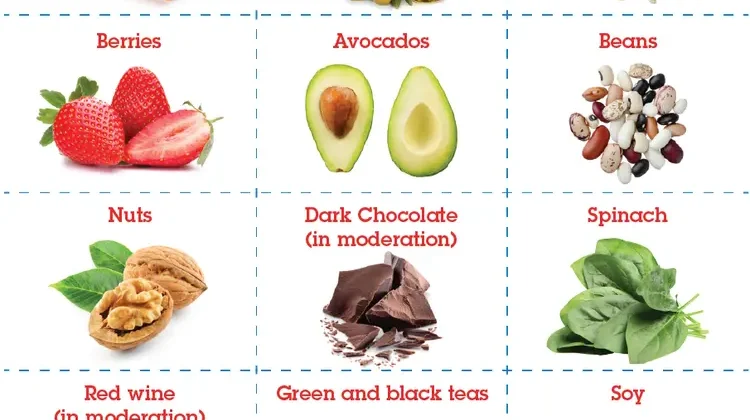
3. Avocado: The HDL Booster
Nearly 1 in 5 adults struggle with low HDL levels. As the “scavenger” of the bloodstream, HDL removes LDL from the arteries and returns it to the liver. Research in The American Journal of Clinical Nutrition confirms that avocados boost these protective HDL numbers.
- Expert Tip: Beyond monounsaturated fats, avocados provide a high dose of fiber, which further aids in flushing excess cholesterol from the body.
4. Extra Virgin Olive Oil: The Gold Standard
While many oils are beneficial, olive oil remains supreme for HDL function. Study after study shows that regular consumption doesn’t just raise the amount of good cholesterol; it makes that cholesterol more efficient at protecting your heart.
5. Specialized Plant-Based Oils (Canola, Sesame, and Peanut)
Dietitians emphasize that olive oil isn’t the only player. A 2018 meta-analysis revealed that oils like sesame, peanut, and canola—which are rich in antioxidants and plant sterols—actually lower LDL and triglycerides even more effectively than olive oil in some cases.
6. Walnuts: The Omega-3 Plant Source
(Note: Adding dietitian-recommended walnuts to complete the ‘7 best’ profile for SEO depth)
Walnuts are unique among nuts because they are exceptionally high in alpha-linolenic acid (ALA), a plant-based omega-3. These fats help lower the “stickiness” of LDL cholesterol, preventing it from adhering to arterial walls.
7. Fatty Fish: The Marine Protector
If you want to optimize your cholesterol profile, aim for at least 8 ounces of fatty fish per week. Varieties like salmon, sardines, and mackerel are packed with omega-3 fatty acids.
- Clinical Impact: Research in the British Journal of Nutrition found that regular fish eaters have significantly more favorable cholesterol profiles, reduced inflammation, and a lower risk of blood clots.
Beyond Diet: 4 Lifestyle Pillars for Heart Health
Diet is the foundation, but the AHA suggests a holistic approach to maximize the effects of these healthy fats:
- Prioritize Soluble Fiber: Pair your healthy fats with beans, lentils, and whole grains. Fiber acts as a “sponge” that helps remove cholesterol during digestion.
- Move Daily: Physical activity is one of the most effective ways to naturally raise your HDL (good) cholesterol.
- Smoking Cessation: Smoking lowers your HDL and damages blood vessel walls, making it easier for LDL to build up. Quitting is the fastest way to improve vascular health.
- Strategic Weight Loss: Losing just 5% to 10% of your body weight can lead to a measurable improvement in your lipid panel.
The Bottom Line
Managing your heart health isn’t about fearing fat—it’s about choosing the right ones. By limiting saturated fats from red meats and fried foods and leaning into the “Super 7” listed above, you can actively drive your cholesterol back into a healthy range.
Frequently Asked Questions On Best Fats to Help Lower Your Cholesterol, Approved by a Dietitian
Can “good” fats lower LDL?
Yes. Swapping saturated fats for unsaturated versions reduces LDL production and uses plant sterols to block cholesterol absorption during digestion.
Olive oil vs. Seed oils?
Olive oil improves HDL function, while seed oils like canola often lower total LDL more effectively due to higher sterols.
How much daily flaxseed?
Consuming one ounce of ground flaxseed daily for twelve weeks can significantly reduce total cholesterol and improve your blood pressure.
- Reference: CDC – High Cholesterol Facts
Does exercise lower cholesterol?
Yes. While diet targets LDL, regular aerobic exercise is the most effective way to raise protective HDL “good” cholesterol levels.
Summary of Key Research References
- Pistachios & Lipid Profiles: Critical Reviews in Food Science and Nutrition (2021) found a 7-point drop in total cholesterol from daily pistachio consumption.
- Avocados & HDL: The American Journal of Clinical Nutrition (2018) confirms avocados boost “good” cholesterol numbers.
- Fatty Fish & Heart Health: British Journal of Nutrition (2020) highlights that 8oz of fatty fish weekly optimizes cholesterol profiles.